
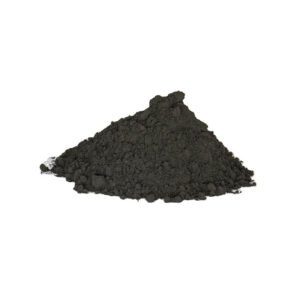
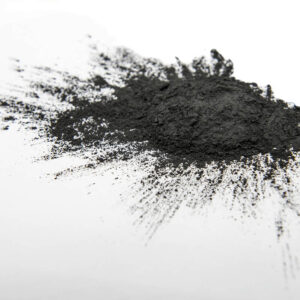
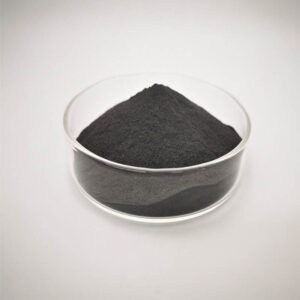
Boron Carbide (B₄C) for Sapphire Lapping
Boron carbide (B₄C, Mohs ~9.3–9.5) is the mainstream free abrasive for sapphire (Al₂O₃, Mohs 9) coarse & intermediate lapping (double-side lapping of LED sapphire substrates, optical sapphire windows), before final diamond polishing.
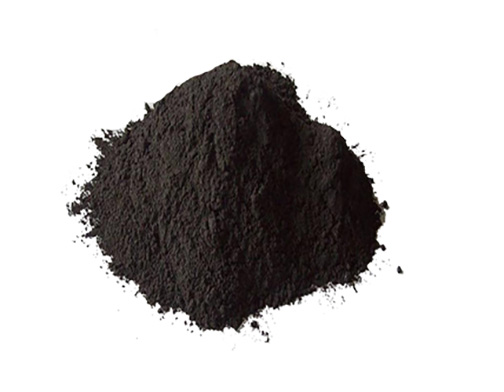
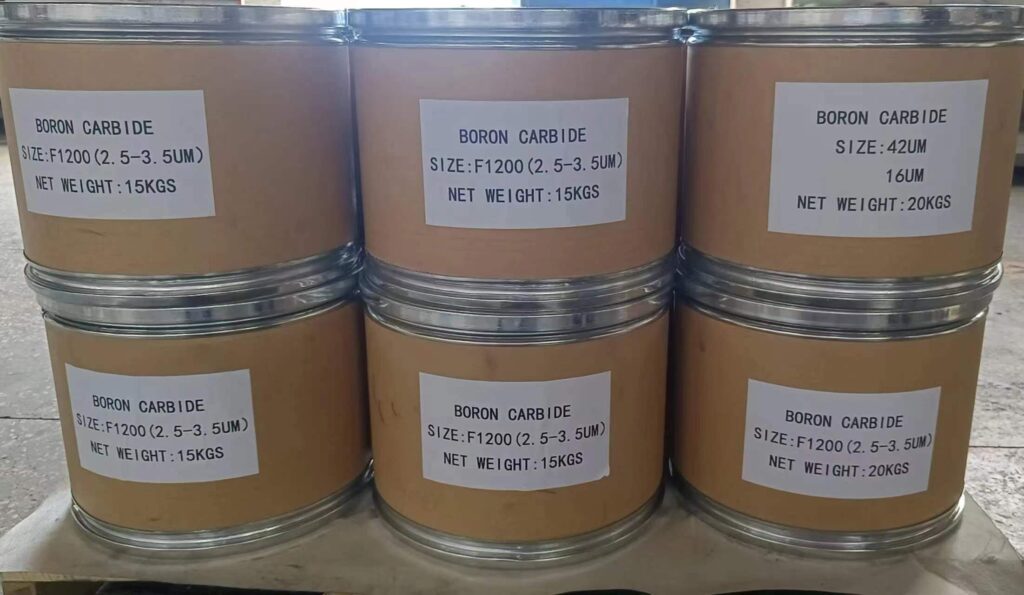
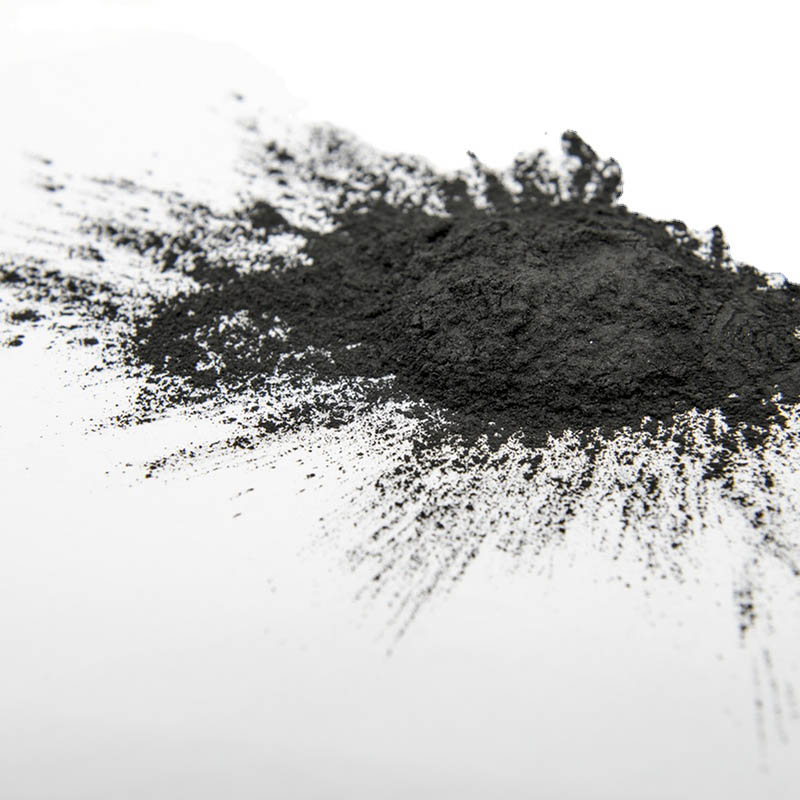
Why B₄C works for sapphire
- Hardness matching B₄C is harder than sapphire, so it can cut and remove material effectively. It is softer than diamond (Mohs 10). Compared with diamond, B₄C generates shallower subsurface damage, which is critical for sapphire substrates — less residual microcracks reduce polishing burden in the following CMP/final polishing step.
- High material removal rate (MRR) Higher removal speed than green SiC at equivalent grit size, good for flattening wire-sawn sapphire slices and removing saw marks quickly. Typical MRR: 5–20 μm/min for intermediate lapping.
- Controlled brittleness & self-sharpening Under lapping pressure, B₄C grains fracture gradually and continuously expose new sharp cutting edges. It maintains stable cutting action and avoids grain passivation.
- High chemical inertness Acid & alkali resistant, stable in water-based lapping slurry. No chemical corrosion to sapphire; residual powder is easier to clean. Low metal impurity grades are available for semiconductor-grade sapphire to avoid contamination.
- Cost advantage Much cheaper than diamond slurry. Balances high stock removal and production cost for mass sapphire substrate manufacturing.
Comparison: B₄C vs Green SiC (GC) for sapphire
| Abrasive | Hardness | Typical use on sapphire | Key tradeoff |
|---|---|---|---|
| B₄C | 9.3~9.5 | Sapphire substrate intermediate lapping | Faster MRR, shallower subsurface damage than GC, higher price than GC |
| Green SiC | 9.2~9.4 | General hard ceramic / low-cost sapphire rough lapping | Cheaper, but rougher surface and deeper subsurface damage |