
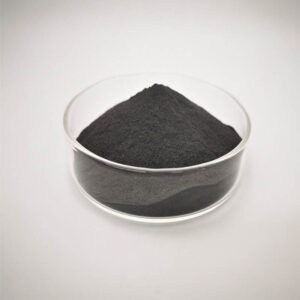
Boron Carbide as an Engineering Ceramic
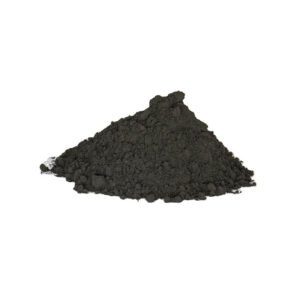
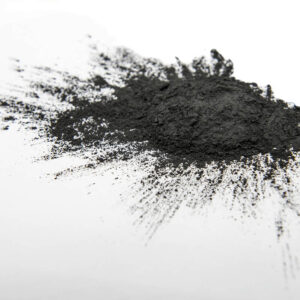
Boron carbide (B₄C) is a premier advanced ceramic material, valued for its extreme properties. It is not merely a powder additive but is commonly processed into fully dense monolithic components through high‑temperature sintering. Its applications are niche but critical, driven by a unique combination of characteristics that are unmatched by other ceramics.
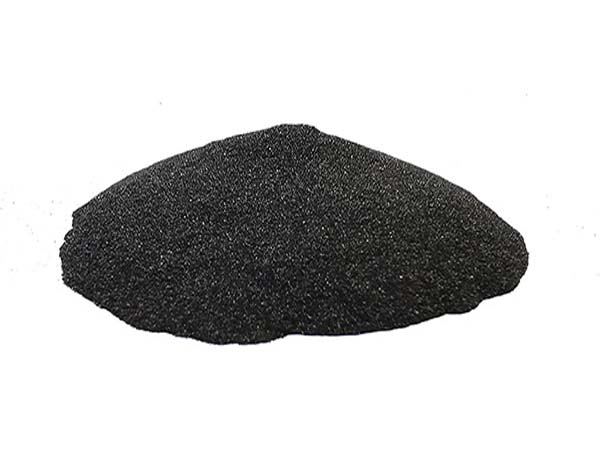
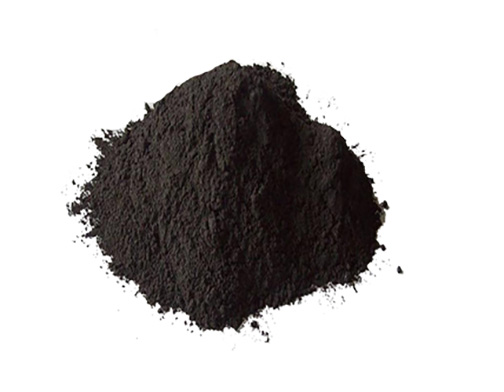
I. Key Properties
| Property | Description | Implication for Use |
|---|---|---|
| Extreme Hardness | Vickers hardness ~30 GPa; Mohs hardness ~9.3. One of the hardest known materials, second only to diamond and cubic boron nitride. | Outstanding wear and abrasion resistance. Ideal for applications involving severe mechanical wear. |
| Very Low Density | ~2.52 g/cm³, among the lightest of all dense engineering ceramics. | Exceptional hardness‑to‑weight ratio. Critical for weight‑sensitive applications like body armor and aerospace components. |
| High Neutron Absorption | Large thermal‑neutron capture cross‑section (≈600 barns for natural B), without producing long‑lived radioactive isotopes. | Indispensable in nuclear reactors for control rods, shielding, and shutdown pellets. |
| High Melting Point | ~2450 °C, with good thermal stability in inert or reducing atmospheres. | Suitable for high‑temperature environments (though oxidation resistance in air is limited above ~500 °C). |
| Excellent Chemical Inertness | Resistant to most acids and alkalis at room temperature. | Useful in corrosive environments, e.g., chemical processing equipment. |
II.Major Application Fields (as Monolithic Ceramics)
| Application Field | Specific Components | Key Properties Utilized | Notes |
|---|---|---|---|
| 1. Defense & Personal Armor | Hard ballistic plates (in ceramic‑composite armor), side‑protection panels, helicopter crew seat armor. | Extreme hardness‑to‑weight ratio. | B₄C is the premier material for the lightest high‑end body armor. The ceramic plate fractures and blunts/erodes the projectile; the backing layer catches debris. |
| 2. Nuclear Industry | Neutron absorber control rods, shutdown pellets, radiation shielding tiles, and neutron detectors. | Very high neutron absorption cross‑section, stability under irradiation. | A critical safety material, especially in fast‑breeder reactors and research reactors where high neutron flux is present. |
| 3. Abrasive & Wear‑Resistant Components | Blast nozzles (for sand‑ or water‑jet cutting), slurry pump seals, bearings, grit blasting liners, and wire‑drawing dies. | Superior wear resistance, chemical inertness. | Outlasts tungsten carbide, alumina, and even silicon carbide nozzles in abrasive media applications. |
| 4. Specialized Industrial Uses | Lightweight mirror substrates for space optics, mechanical seals for harsh chemical environments, wear parts in semiconductor manufacturing equipment. | Combination of low density, high stiffness, and stability. | Niche, high‑value applications where its unique property set justifies the cost. |
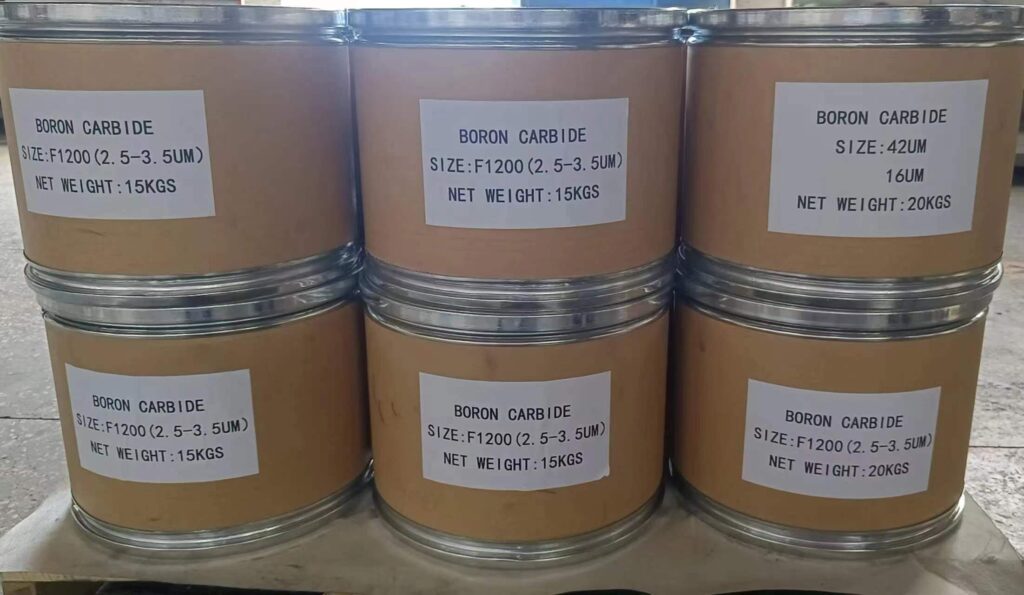
III.Comparison with Other High‑Performance Structural Ceramics
| Ceramic | Primary Advantages | Primary Disadvantages | Typical Application Focus |
|---|---|---|---|
| Boron Carbide (B₄C) | Highest hardness‑to‑weight ratio; best neutron absorber. | Poorest toughness; most difficult/expensive to sinter. | Lightweight armor; nuclear control rods. |
| Silicon Carbide (SiC) | Excellent all‑rounder: good hardness, better toughness, high thermal conductivity, superior oxidation resistance. Cost‑effective. | Lower hardness and neutron absorption than B₄C. | Wear parts, seals, kiln furniture, semiconductor wafer‑handling components. |
| Alumina (Al₂O₃) | Lowest cost, widely available, excellent electrical insulation, good biocompatibility. | Lower hardness & toughness, higher density. | Wear liners, grinding media, electronic substrates, biomedical implants. |
| Silicon Nitride (Si₃N₄) | Best fracture toughness and thermal‑shock resistance, high strength. | Lower hardness than carbides, more expensive than alumina. | High‑temperature bearings, cutting tools, engine components. |
Boron carbide ceramic is a material engineered for extreme performance. It trades toughness, ease of fabrication, and cost for unmatched specific hardness and unparalleled neutron absorption.
Therefore, its use is not general but highly targeted. It is the material of choice when the design mandate is maximum ballistic protection with minimum weight or maximum neutron capture efficiency in a compact form. If the application can tolerate higher weight or does not require neutron absorption, silicon carbide (SiC) often provides a more balanced and cost‑effective solution.
In essence, B₄C ceramic is deployed where its unique advantages are indispensable and justify the inherent challenges and expense.